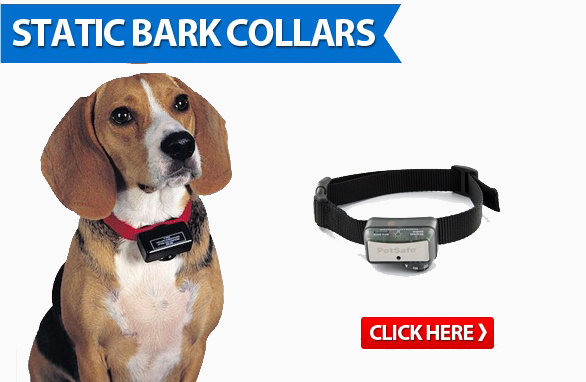
Barking is a natural and normal behavior for a dog (unless you happen to own a Basenji - the only non-barking breed). A dog barks as a normal means of communication with his pack. Normal barking can signal the arrival of a visitor or intruder, be a greeting, a response to a surprise or sudden pain, a request (like to be let out), an invitation to play, expression of happiness or excitement, and plenty of other things. As you get to know your dog you'll be able to distinguish between his barks and this will help you to communicate with your dog. Some dogs engage in incessant barking that quickly becomes unbearable for anyone within earshot. Nuisance barking is common among dogs that are very attached to their family and left alone for prolonged periods of time or in dogs who are very territorial and become fixated on the series of people passing by their home during the day. Unfortunately, most nuisance barking occurs when no one is at home with the dog to address the behavior. This makes the problem hard to solve.
What Are Bark Control Collars?
Bark collars (also referred to as anti-bark collars or no-bark collars) are a safe and effective solution to the problem of nuisance barking whether the dog owner is present or not. A bark collar provides a consistent and appropriate correction when your dog barks. Anti-bark collars are available from a variety of manufacturers and while all no-bark collars function in the same way, they are available with a few different correction stimulation types.
A barking collar does not require any action from the dog owner other than preparing and fitting the collar to the dog. The bark collar is completely automatic, detecting when the dog is barking and delivering an appropriate correction to teach the dog to avoid the barking behavior. Bark collars tend to be very successful precisely because of the consistency with which they correct. They are fair to the dog because without human error as a factor they always deliver the same appropriately timed correction. This makes it very easy for the dog to understand and sets the dog up for success.
Types Of Bark Control Collars
Anti-barking collars are available with a handful of correction types. A Citronella bark collar uses a spray of scented air directed toward the muzzle of the dog as the deterrent - many dogs dislike the smell of citronella. Another option is an electric pulse. This type of barking collar uses a brief and adjustable electrical impulse much like the one you might receive when stepping out of a car or running your feet across a carpet and then reaching for the metal doorknob. This harmless shock is just unpleasant enough to startle the dog and refocus his attention. The third type of no-bark collar uses an ultrasonic noise audible to the dog but not human ears. Many anti bark collars also feature a warning tone, which is issued before the correction. The dog learns to associate the tone with the correction that follows and eventually will cease barking as soon as the tone sounds thus avoiding the correction altogether.
The best bark collars (like those offered by SportDOG, DT Systems, PetSafe, and Dogtra) feature adjustable correction level settings that allow you to tailor the correction specifically to your dog to prevent over or under correction. Many of these collars also offer features like automatic progressive correction – slowly increasing the stimulation level until the dog responds. Many of the best bark collars also feature advanced technology that ensures your dog is only corrected for true nuisance barking. The collar can only be activated by barking lasting more than 5 seconds, so your dog’s bathroom request is never mistaken for nuisance barking. In addition, the collar can only be activated by the unique combination of your dog’s bark and the appropriate throat vibrations that accompany barking. This guards against accidental corrections triggered by outside noises or the bark of another dog nearby.
Sizing And Choosing The Right Collar
Like all training collars, bark collars are size specific. The largest selection of collars are available for medium to large dogs. Specially sized bark are available for little dogs as well as extra large dogs. Choose a collar based on your dog's overall size, neck size, and temperament. Some large dogs could physically wear a large bark control collar but have very mild or compliant natures and can therefore successfully use a collar that would also be suitable for a smaller dog. You want to use the lowest correction level that achieves the goal of distracting and dissuading the dog from barking.
All bark collars are safe and effective tools for teaching your dog to avoid nuisance barking behavior. As with all training tools, an anti-barking collar should be carefully selected after considering the specifics of your dog’s barking behavior, his size, temperament, and history of success or failure with other training methods. If you need help selecting the right barking collar for your dog please contact us!